
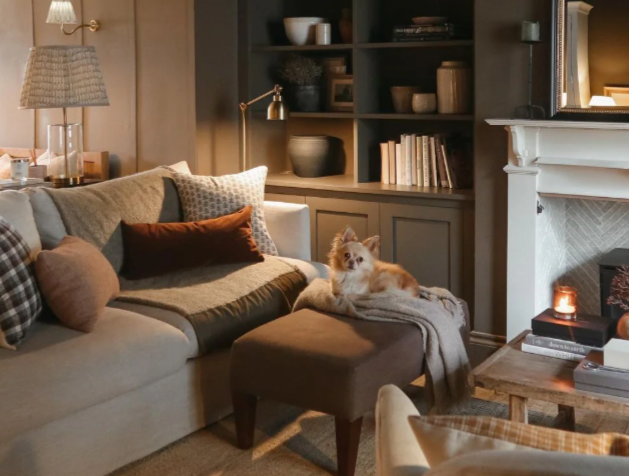
Maximizing interior spaces goes beyond aesthetics it’s a strategic approach that balances functionality, flow, and design harmony. Expert space planning services transform residential, commercial, and hybrid environments, ensuring every square foot serves a purpose. Thoughtful planning improves comfort, enhances productivity, and elevates the overall atmosphere of any space.
Professionals in this field integrate design principles with practical considerations, such as movement patterns, storage solutions, lighting, and technological needs, creating spaces that feel both natural and intentional. Whether designing a compact apartment, a corporate office, or a hospitality venue, the benefits of structured space planning are profound. A well-executed layout fosters clarity, efficiency, and aesthetic cohesion, making interiors not only more usable but also more enjoyable for all occupants.
Why Space Planning Services Are Essential
Professional space planning services provide more than furniture placement they deliver a holistic strategy that maximizes functionality while preserving design integrity. Key reasons to invest in expert space planning include:
- Optimized Layouts: Every piece of furniture and fixture is strategically placed to ensure accessibility, efficiency, and balance.
- Enhanced Flow: Clear circulation pathways prevent congestion, making spaces easier to navigate.
- Maximized Functionality: Underutilized areas are transformed into purposeful spaces, reducing wasted square footage.
- Aesthetic Cohesion: Design choices align with the interior’s overall style, creating a visually harmonious environment.
- Future-Proof Design: Flexible layouts accommodate evolving needs, from growing families to expanding businesses.
When every element has a clear purpose, occupants feel more organized, calm, and productive. For commercial environments, effective layouts can directly influence customer experience, employee satisfaction, and operational efficiency.
Residential Space Planning – Maximizing Comfort and Function
Homes are increasingly multifunctional. Kitchens double as workspaces, living rooms become entertainment hubs, and small bedrooms serve as offices or study areas. Space planning services help homeowners make the most of each square foot while maintaining a sense of flow and openness.
Key residential strategies include:
- Zoning for Functionality: Define clear areas for cooking, dining, working, and relaxing.
- Multipurpose Furniture: Choose items that offer storage or adaptability, such as sofa beds or foldable desks.
- Natural Light Integration: Arrange spaces to maximize daylight and create a bright, welcoming atmosphere.
- Storage Solutions: Built-in shelves, concealed cabinets, and smart closets reduce clutter and maintain order.
- Personalization: Reflect the personality of occupants while maintaining functional efficiency.
For small apartments or compact homes, intelligent layouts can dramatically improve livability. In larger residences, space planning ensures that each room serves a purpose while maintaining overall harmony. Bedrooms, kitchens, and living areas benefit from balanced layouts that combine comfort with accessibility.
Commercial Space Planning – Driving Productivity and Experience
For businesses, strategic space planning is a powerful tool for operational efficiency and brand perception. Offices, retail stores, restaurants, and hospitality venues all benefit from layouts designed with users in mind.
Benefits of commercial space planning:
- Boosts Employee Productivity: Proper zoning, ergonomic furniture, and thoughtful circulation minimize distractions and fatigue.
- Improves Customer Experience: Intuitive layouts guide visitors, reduce wait times, and enhance comfort.
- Strengthens Brand Identity: Design elements aligned with company branding create a cohesive visual and emotional experience.
- Ensures Compliance: Professional planners consider safety regulations, accessibility standards, and operational efficiency.
- Supports Technological Integration: Smart office setups, AV systems, and IoT devices are seamlessly incorporated.
From reception areas to private offices, strategic planning ensures each space is functional, appealing, and future-ready. Well-designed commercial interiors can also reduce operational costs by optimizing lighting, space usage, and furniture arrangement.
Core Principles of Effective Space Planning
To achieve successful interior layouts, professionals follow several core principles:
- Functionality First: Spaces must serve the intended purpose efficiently.
- Flow and Circulation: Movement should feel natural, with minimal obstruction.
- Proportion and Scale: Furniture and fixtures should match room size, maintaining balance.
- Flexibility: Spaces should adapt to evolving needs or future renovations.
- Lighting and Ambiance: Both natural and artificial lighting influence mood, usability, and productivity.
- Ergonomics: Designs should reduce strain and maximize comfort for occupants.
- Aesthetic Integration: Harmonize colors, textures, and materials to enhance visual appeal.
Applying these principles ensures interiors are practical, comfortable, and visually coherent, creating spaces that feel intuitive to use and enjoy.
Actionable Tips for Effective Space Planning
- Conduct a Needs Assessment: Identify goals, lifestyle requirements, and workflow needs.
- Prioritize Multipurpose Furniture: Ideal for small spaces or multifunctional rooms.
- Use Zoning Techniques: Create distinct functional areas using furniture, rugs, or partitions.
- Maximize Storage: Hidden or vertical storage solutions prevent clutter and maintain flow.
- Consider Traffic Patterns: Ensure pathways are wide enough for smooth movement.
- Incorporate Flexibility: Leave room for rearrangement or future adjustments.
- Integrate Technology: Plan spaces to accommodate charging stations, screens, and smart systems.
- Focus on Lighting: Position work areas near natural light; use layered artificial lighting for ambiance.
- Balance Open and Private Spaces: Combine communal zones with secluded areas for concentration.
- Seek Expert Guidance: Professional planners can foresee challenges and propose efficient solutions.
These tips not only optimize the usability of spaces but also ensure long-term satisfaction and efficiency.
Emerging Trends in Space Planning
Modern space planning services increasingly embrace innovation and sustainability. Some current trends include:
- Hybrid Workspaces: Flexible office layouts that adapt to remote and in-office collaboration.
- Sustainable Design: Eco-friendly materials, energy-efficient lighting, and responsible furniture choices.
- Biophilic Integration: Incorporating plants and natural elements to enhance wellness.
- Smart Home and Office Technology: Automated lighting, climate control, and adaptable furniture.
- Minimalist Approaches: Clutter-free, open designs that prioritize essential functionality.
- Acoustic Planning: Reducing noise in shared or open spaces for improved focus and comfort.
These trends highlight the evolving demands of modern interiors, emphasizing adaptability, wellness, and environmental responsibility.
Case Studies – Transforming Spaces
Residential Example: A 700-square-foot urban apartment underwent comprehensive space planning. By reconfiguring zones, integrating built-in storage, and optimizing natural light, the apartment felt 30% larger and became highly functional without increasing square footage.
Commercial Example: A mid-sized office implemented open-concept zones, collaborative pods, and ergonomic workstations. Productivity metrics increased, and employee satisfaction improved due to better movement flow and visual harmony.
Retail Example: A boutique store redesigned its layout to enhance customer navigation, highlight featured products, and create intuitive browsing zones. Foot traffic increased by 25%, and customer dwell time improved significantly.
These examples demonstrate the tangible impact of professional space planning services, reinforcing the value of investing in expert solutions for both functionality and design aesthetics.
Choosing the Right Space Planning Service
Selecting a qualified provider ensures a successful outcome. Consider the following when evaluating services:
- Portfolio of Past Projects: Review residential and commercial case studies.
- Experience in Target Environment: Some planners specialize in offices, homes, or retail.
- Understanding of Ergonomics and Technology: Ensures functional and future-ready designs.
- Collaboration and Communication Skills: Ability to translate client goals into actionable plans.
- Sustainability Practices: Use of eco-friendly materials and efficient design solutions.
A well-chosen space planner adds measurable value to any project, turning ordinary interiors into optimized, inspiring spaces.
Conclusion
Investing in professional space planning services transforms interiors into functional, visually appealing, and efficient environments. Strategic layouts enhance comfort, maximize utility, and support the evolving needs of occupants, whether in residential or commercial settings. By integrating design principles, ergonomic solutions, and emerging trends, spaces are elevated beyond mere aesthetics to purposeful, enjoyable environments.
Discover the potential of thoughtful space planning at Versa Design, where interiors are transformed into functional works of art, delivering lasting value, exceptional usability, and a superior experience for every occupant.


