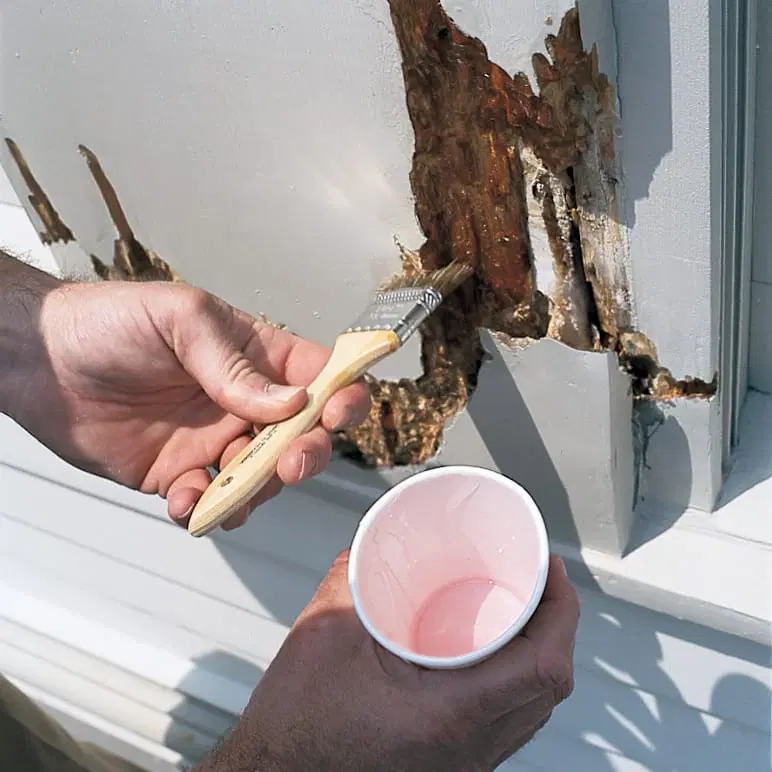
Exterior trim often shows moisture trouble before larger sections of a wall become visibly damaged. Exterior trim maintenance is largely about spotting failed coatings, open joints, and repeatedly wet wood while repairs are still small.
Focus on places where horizontal surfaces, roof runoff, windows, doors, and trim intersections give water extra opportunities to collect.
Begin With High-Risk Trim Areas
Window corners, door frames, fascia ends, lower trim boards, and joints near rooflines deserve special attention. These areas commonly receive more runoff or dry more slowly after rain.
Look for peeling paint, swelling, cracked joints, dark staining, exposed end grain, and boards pulling away from adjacent surfaces.
Check More Than the Front Face
Rot frequently starts at an edge or hidden joint before the broad face of a trim board looks damaged.
A seasonal checklist that includes exterior renovation topics can make it easier to inspect multiple vulnerable areas during the same walkaround.
Keep Paint and Protective Finishes Intact
Coatings help limit repeated moisture exposure, but they need a sound surface underneath. Loose paint should be removed and the wood allowed to dry before a new exterior coating is applied.
Pay special attention to cut ends and joints because water can enter those locations quickly once protective finishes fail.
Homeowners organizing larger improvement schedules may also find property maintenance articles useful for grouping painting, gutter work, and trim inspections into one seasonal plan.
| Trim Condition | What It Suggests | Next Check |
|---|---|---|
| Peeling coating | Moisture or age | Inspect wood |
| Open joint | Water entry path | Check sealant |
| Soft surface | Possible decay | Probe surrounding area |
| Repeated staining | Ongoing wetting | Trace water source |
Trace Water Before Replacing Damaged Wood
Rot is often the result, not the original problem. A leaking gutter joint, failed flashing detail, dripping roof edge, damaged caulk joint, or poorly directed downspout may keep trim wet.
Replacing a board without stopping that moisture source can lead to the same failure again.
For homeowners also considering appearance and exterior detailing, home design references can help separate decorative upgrades from repairs that should be prioritized for moisture control.
Probe Suspicious Areas Gently
If a painted surface looks swollen or uneven, gentle pressure with a blunt tool can help determine whether the wood remains firm. Don’t aggressively dig into trim simply to see how far damage goes.
Once soft material is found, inspect outward from that location. Moisture can travel behind visible trim, so the obvious rotten patch may not represent the full affected area.
Large or structural areas of deterioration may require closer professional evaluation.
Where Exterior Trim Repairs Go Wrong
One common mistake is filling soft wood and repainting without fixing the water source. The repair may look clean for a short period while moisture continues working behind it.
Another problem is assuming every crack needs the same treatment. Some joints are intended to move, overlap, or drain differently from others. Applying sealant indiscriminately can trap water instead of keeping it out. Understand how the surrounding materials shed water before closing every visible seam.
Frequently Asked Questions
What does early wood rot look like on exterior trim?
Early signs may include persistent discoloration, peeling paint, raised grain, small cracks, swelling, or slight softness. Damage can begin beneath a coating before obvious sections crumble.
Can exterior trim rot spread to other parts of a house?
Moisture that causes trim decay can also affect nearby sheathing, framing, siding, or window and door components if the underlying water problem continues.
Should rotten trim always be replaced?
Not necessarily. The repair depends on how much material is damaged and whether surrounding wood remains sound. Extensive decay or damage near structural components may require replacement rather than a surface repair.
Fix the Water Source Before the Finish
Healthy exterior trim depends on more than fresh paint. Inspect vulnerable joints, keep finishes intact, and trace every suspicious wet area back to its source.
When soft wood appears, determine how far the deterioration extends before making a cosmetic repair. Stopping the moisture first gives any repaired or replaced trim a far better chance of staying sound through future seasons.