Woven shades bring texture to a window without the volume of traditional curtains. Natural fibers and fiber-look materials introduce subtle variation, making woven shade ideas especially useful in rooms that need warmth but already contain enough furniture, pattern, or architectural detail.
Choose Texture Before Choosing Color
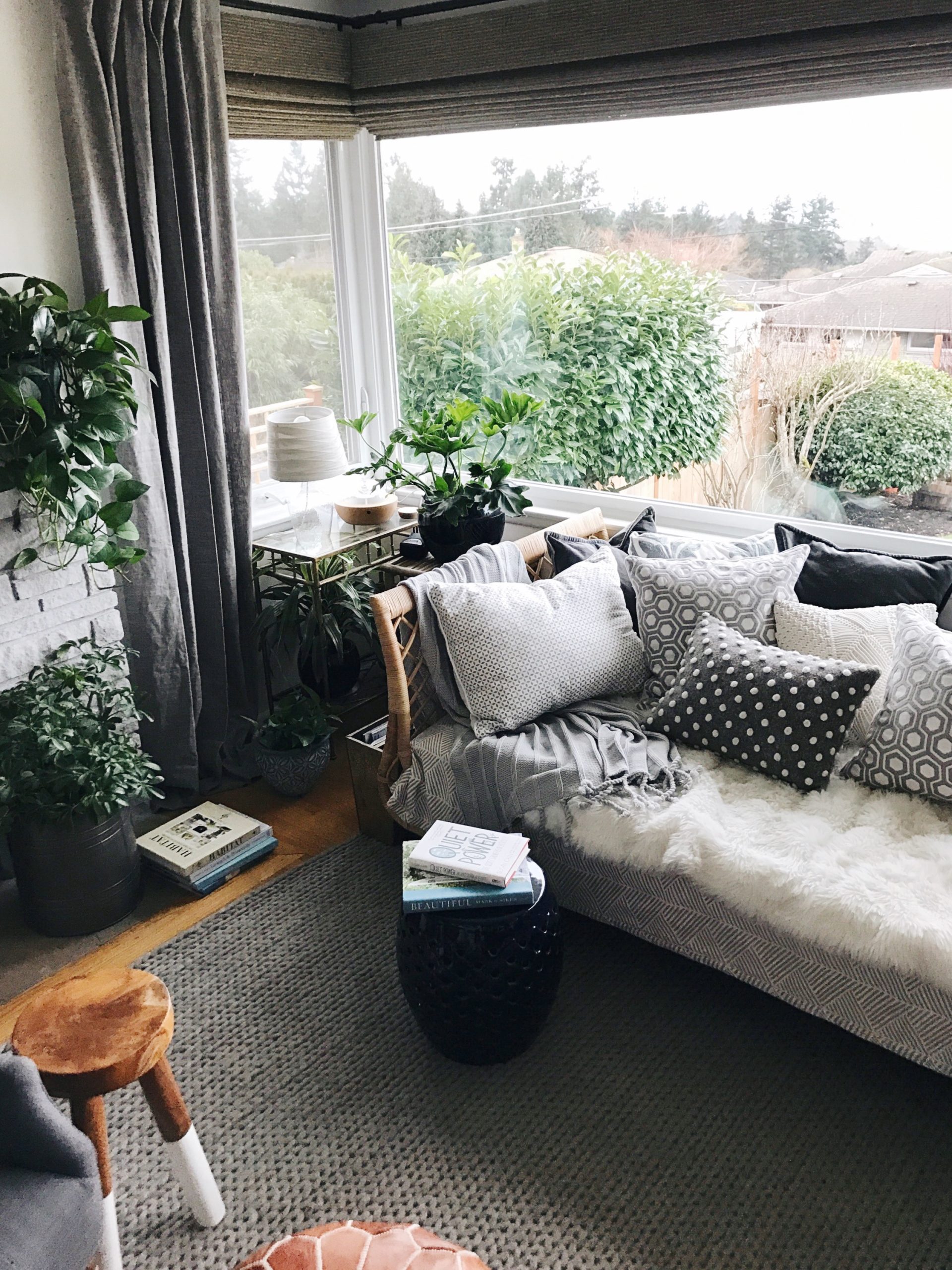
The defining feature of a woven shade is its surface. Tight weaves look refined and relatively uniform, while open or irregular weaves create a more casual, organic character.
Color still matters, but texture often has the stronger effect. Two beige shades can look completely different when one uses fine reeds and the other has thick, visible fibers. Browsing house and architecture ideas can help show how natural texture changes the feeling of otherwise simple rooms.
Think Carefully About Privacy
Open woven materials can filter daylight beautifully, but many don’t provide complete privacy on their own. The amount of visibility changes with weave density and lighting conditions.
Bedrooms and street-facing spaces may benefit from privacy or blackout lining. Less private rooms can sometimes use an unlined shade to preserve the lighter, textured appearance.
| Shade Detail | Design Effect | Practical Consideration |
|---|---|---|
| Tight weave | Neater, quieter texture | Usually offers more coverage |
| Open weave | Airier appearance | May reduce privacy |
| Privacy lining | More visual separation | Changes light transmission |
| Blackout lining | Strong light control | Creates a heavier effect |
Balance Natural Materials With Cleaner Surfaces
Woven shades become especially effective when contrasted with smoother finishes. Painted walls, simple cabinetry, glass, and metal allow irregular fibers to stand out without making the room feel rustic.
That contrast is useful in contemporary interiors where natural material is wanted but heavy drapery would feel excessive. Exploring residential interior examples may provide ideas for pairing woven surfaces with restrained furnishings and straightforward architectural details.
Wood tones don’t need to match perfectly. Slight variation often looks more natural than attempting to coordinate every brown finish exactly.
Mount the Shade to Improve Window Proportions
Like Roman shades, woven shades can be installed inside or outside the window frame. Inside mounting produces a clean recessed look, provided the window has enough depth.
Outside mounting can visually enlarge the opening and hide less attractive trim. In rooms with several windows, keeping shade heights consistent creates a stronger architectural rhythm. Broader home improvement inspiration can help when coordinating those decisions with wall finishes and surrounding furniture.
Add Curtains Only When They Serve a Purpose
Woven shades can be layered with simple curtain panels, but they don’t require them. Side panels work best when additional softness, insulation, or light control is genuinely needed.
If the goal is reducing visual weight, leaving the woven shade on its own is often the cleaner choice.
Mistakes That Make Woven Shades Feel Heavy
Too many natural textures in one small room can weaken the effect. A woven shade, wicker furniture, heavy jute rug, wood-paneled wall, and multiple baskets may compete rather than create warmth.
Another common mistake is ignoring how the shade looks when raised. Thick materials can create a substantial stack at the top of the window. Check the folded depth before ordering, particularly where the shade could cover valuable glass or interfere with handles.
Frequently Asked Questions
Do woven shades provide privacy at night?
Some do, but open-weave materials may become more transparent when interior lights are on. Privacy lining is worth considering for bedrooms, bathrooms, and street-facing rooms.
Can woven shades work in modern interiors?
Yes. Simple woven shades pair well with modern rooms because their natural texture contrasts with smooth walls, metal, glass, and clean-lined furniture without requiring bulky fabric.
Should woven shades match wood furniture?
They can coordinate without matching exactly. Small differences in tone often feel more natural and layered than trying to reproduce the same wood color throughout the room.
Let Texture Do the Decorating
Woven shades work best when their material is allowed to provide the interest. Keep the surrounding treatment simple, choose lining according to privacy needs, and select a mounting position that strengthens the window proportions. With those decisions settled first, natural texture can add warmth without turning the window into a heavy focal point.