

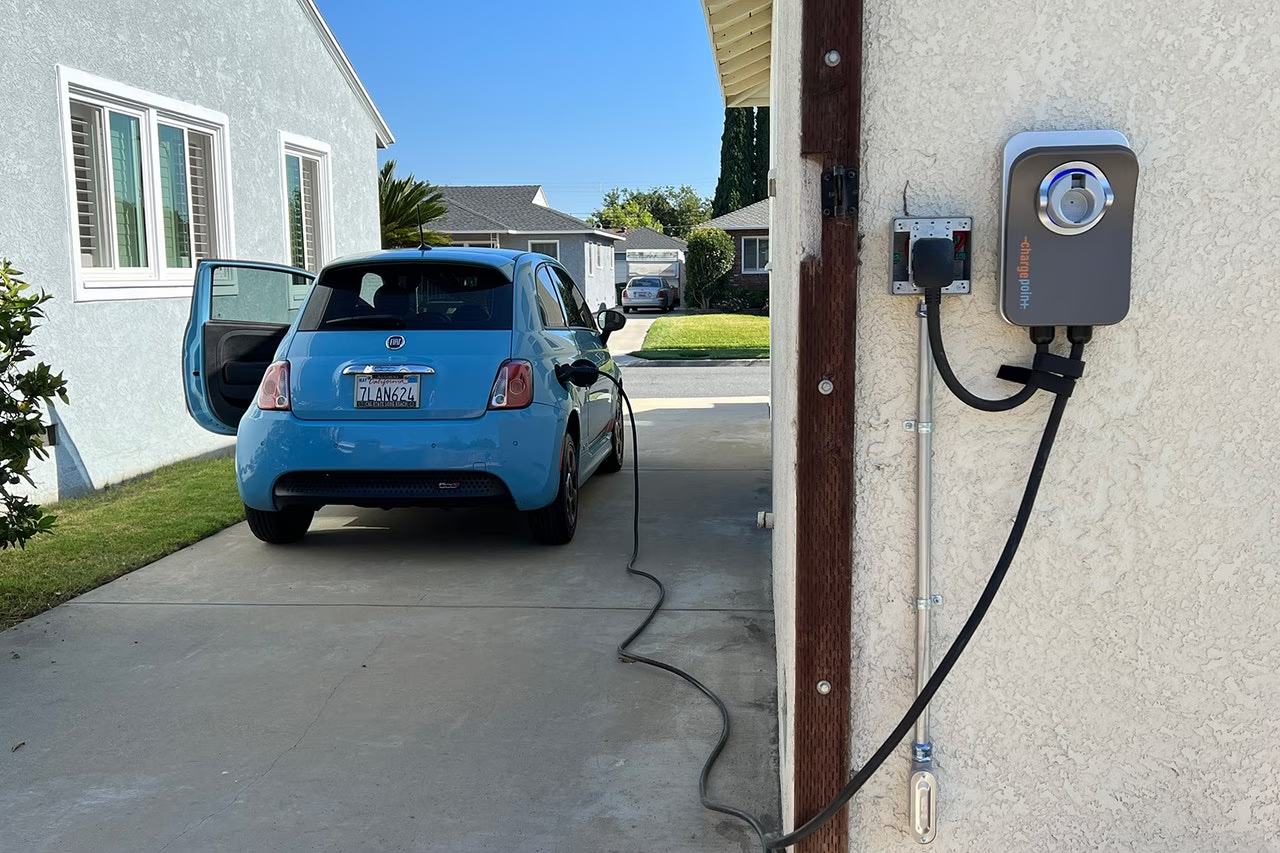
Buying an electric vehicle is exciting, but getting the most out of it at home requires more than simply parking the vehicle in your garage and plugging it in. Home charging needs to be planned around your vehicle, electrical system, available space, and daily driving habits.
For many homeowners, installing a dedicated EV charger can make charging significantly more convenient. Instead of relying primarily on public charging stations, you can charge your vehicle at home, often overnight when the car is not being used.
However, an EV charger is still an electrical installation. Before choosing a charger or scheduling an installation, homeowners should understand how their home’s electrical system works, what type of charger they need, and whether their existing electrical capacity can support the additional load.
Here are some important things to consider before installing an EV charger at home.
1. Understand the Different Types of EV Chargers
Not all EV chargers provide the same charging speed. Residential charging generally falls into three levels.
Level 1 charging uses a standard household outlet. It is convenient because it usually does not require a dedicated charging installation, but charging can take considerably longer.
Level 2 chargers operate at a higher voltage and can provide substantially faster charging. These are commonly installed in garages, driveways, or other residential locations where an appropriate electrical connection is available.
Level 3 charging, also known as DC fast charging, is primarily associated with commercial and public charging locations. These systems require significantly more electrical infrastructure and are generally not practical for a typical residential installation.
For many homeowners, Level 2 is the option worth investigating because it provides a balance between charging speed and residential practicality.
2. Check Your Home’s Electrical Capacity
One of the most important steps before installing an EV charger is determining whether your home’s electrical system can handle the additional demand.
Your electrical panel distributes power throughout the property. It may already be supplying electricity to major loads such as:
- Air conditioning systems
- Electric furnaces
- Water heaters
- Electric ranges
- Clothes dryers
- Heat pumps
- Garage equipment
- Other high-demand appliances
Adding an EV charger increases the electrical load. If the existing system does not have enough available capacity, additional electrical work may be necessary.
A professional electrician can evaluate the panel, existing circuits, wiring, and overall electrical demand before recommending an installation.
3. You May Need an Electrical Panel Upgrade
Some homes have electrical panels that were installed when household electricity consumption was much lower. An older or heavily loaded panel may not have sufficient capacity for a new EV charging circuit.
In these situations, an electrical panel upgrade may be considered.
The need for an upgrade depends on the home’s existing electrical service, available capacity, charger requirements, and other electrical loads. It should not be assumed that every EV owner needs a new panel.
A proper electrical assessment can determine whether the existing system can accommodate the charger or whether modifications are required.
4. Choose the Charging Location Carefully
Where you install the charger matters.
Many homeowners choose a garage because it protects the equipment and vehicle from weather while providing convenient access to electrical infrastructure. However, some properties may benefit from an exterior installation.
Think about where the vehicle is normally parked and where the charging cable needs to reach.
The installation location should also allow you to:
- Connect the vehicle without stretching the cable
- Keep the charging equipment accessible
- Avoid creating a tripping hazard
- Protect equipment from unnecessary physical damage
- Maintain appropriate clearance around the equipment
Planning the location before installation can prevent unnecessary electrical work later.
5. Consider Your Daily Driving Habits
The best charger for one household may not be necessary for another.
Consider how many miles you typically drive each day and how frequently the vehicle needs to be charged. Someone who drives a short distance to work may have very different charging requirements from someone who travels long distances every day.
Your vehicle’s battery capacity and charging specifications also matter.
Rather than choosing a charger solely because it has the highest possible charging output, consider what your vehicle can actually use and what your home’s electrical system can safely support.
6. Think About Future Electrical Demand
Installing an EV charger is a good opportunity to think about your home’s future electrical needs.
You may eventually add other major electrical loads, such as:
- A second electric vehicle
- Solar panels
- A heat pump
- An electric water heater
- Additional garage equipment
- Home battery storage
If you are already planning several upgrades, discuss them with an electrician before completing the EV charger installation. Planning for future demand can sometimes reduce the need for additional electrical modifications later.
7. Professional Installation Matters
An EV charger is not simply another household appliance. The charging equipment can operate for extended periods and place a substantial electrical load on the circuit.
That makes proper installation particularly important.
The installation may involve determining the appropriate circuit, selecting compatible electrical equipment, routing wiring, installing protective devices, and verifying that the system operates correctly.
Homeowners in the Minneapolis–St. Paul area who are researching local electrical contractors can look at Edison Electric Inc when considering professional electrical work.
8. Don’t Choose a Charger Based Only on Price
The cheapest charger is not necessarily the best option for every home.
When comparing charging equipment, consider:
- Charging speed
- Compatibility with your vehicle
- Cable length
- Indoor or outdoor suitability
- Safety features
- Warranty
- Manufacturer support
- Smart charging capabilities
A slightly more expensive system may offer features that make everyday charging easier, particularly if you plan to keep your vehicle for many years.
9. Consider Smart Charging Features
Many modern EV chargers offer smart features that allow homeowners to monitor and manage charging.
Depending on the equipment, these features may include:
- Mobile app control
- Charging schedules
- Energy monitoring
- Notifications
- Remote start and stop
- Integration with home energy systems
Scheduled charging can be particularly useful for homeowners who want to control when the vehicle draws electricity.
Before choosing a smart charger, make sure its features are compatible with your vehicle and home setup.
10. Understand the Total Installation Cost
The price of an EV charging project is not necessarily limited to the charger itself.
Installation costs can vary depending on factors such as:
- Charger type
- Distance between the electrical panel and charger
- Wiring requirements
- Electrical panel capacity
- Required permits
- Indoor or outdoor installation
- Additional electrical upgrades
A straightforward installation may require relatively little additional work, while a home with an older electrical system could require more extensive modifications.
Getting an assessment and written estimate before beginning the project can help you understand the complete cost.
11. Don’t Ignore Electrical Safety
Homeowners should avoid improvising with extension cords, overloaded outlets, or unsuitable adapters to support EV charging.
A dedicated charging setup designed for the vehicle and home’s electrical system provides a more appropriate long-term solution.
If you notice unusual heat, burning smells, damaged wiring, breaker trips, or other electrical problems while charging, stop using the equipment and have the system inspected.
Electrical issues should be addressed rather than repeatedly resetting breakers or attempting DIY repairs.
12. Plan for the Future of Your Home
EV ownership is becoming part of broader changes in residential electricity use. As more homeowners adopt electric vehicles, electrical systems may increasingly need to accommodate transportation alongside traditional household appliances.
If you’re considering an EV charger installation, thinking about your home’s current and future electrical requirements can help you make a more informed decision.
The goal is not simply to install the most powerful charger available. It is to create a charging setup that works safely with your vehicle, electrical system, property, and daily routine.
Final Thoughts
Installing an EV charger at home can make electric vehicle ownership much more convenient, but the project deserves proper planning. Homeowners should consider the type of charger, available electrical capacity, installation location, charging habits, future electrical demand, and total project cost before making a decision.
A professional electrical assessment can identify potential problems before installation begins and help determine what equipment and electrical work are appropriate for the property.
With the right planning, a home EV charging system can become a practical part of your everyday routine rather than another complicated home improvement project.