

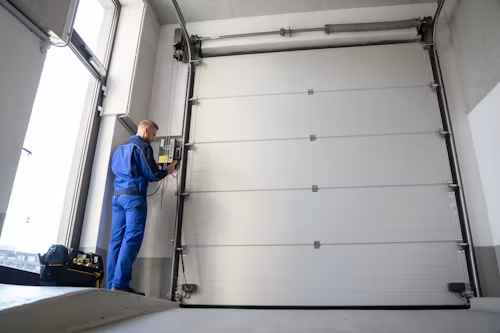
Phoenix homeowners deal with a unique combination of intense heat, dust, and occasional monsoon storms, all of which take a toll on garage doors over time. Understanding what your door is up against helps explain why phoenix garage door repair needs sometimes arise sooner than homeowners expect, even with doors that seemed perfectly fine just months earlier.
How Heat Affects Garage Door Components
When summer temperatures regularly climb above 110 degrees, metal parts expand, rubber seals dry out, and lubricants thin out faster than they would in a milder climate. Over time, this leads to tracks that shift slightly out of alignment, weatherstripping that cracks and loses its seal, and hinges that squeak from reduced lubrication.
None of these issues happen overnight, but the cumulative effect means Phoenix garage doors often need more frequent attention than the general maintenance guidelines suggest.
Dust and Sand Accumulation
Phoenix’s dry climate means dust gets into everything, including the small gaps between rollers and tracks. Over time, this buildup creates friction that makes the door work harder to open and close, putting extra strain on both the springs and the opener motor.
A simple habit of wiping down the tracks every few months and applying lubricant to moving parts can meaningfully extend the life of these components.
Monsoon Season Surprises
While Phoenix is known for dry heat most of the year, monsoon season brings sudden storms with strong winds and occasional flooding. Garage doors facing prevailing wind directions can take a beating during these storms, sometimes resulting in bent tracks or dented panels from debris.
After a particularly strong storm, it’s worth doing a quick visual check of your door for new dents, misalignment, or anything caught in the tracks.
Common Repair Calls in Phoenix
Based on patterns across the Valley, the most frequent repair needs tend to include worn weatherstripping that no longer seals properly against dust and heat, springs that have reached the end of their cycle life faster due to thermal stress, opener sensors knocked out of alignment, and tracks that have shifted slightly due to repeated expansion and contraction.
Preventive Habits That Help
A few simple habits go a long way toward reducing the frequency of repairs:
- Lubricate rollers and hinges every few months with a silicone based lubricant
- Visually inspect weatherstripping for cracking each season
- Test the door’s balance periodically by disconnecting the opener and lifting manually halfway
- Keep tracks clear of dust buildup with a simple wipe down
When to Call for Help
Preventive maintenance helps reduce the risk of unexpected problems, but it can’t prevent every issue. If your garage door becomes noisy, won’t open properly, or suffers damage after a storm, it’s important to address the problem before it gets worse. Professional phoenix garage door repair services can quickly diagnose the issue, restore safe operation, and help extend the life of your entire garage door system.
