

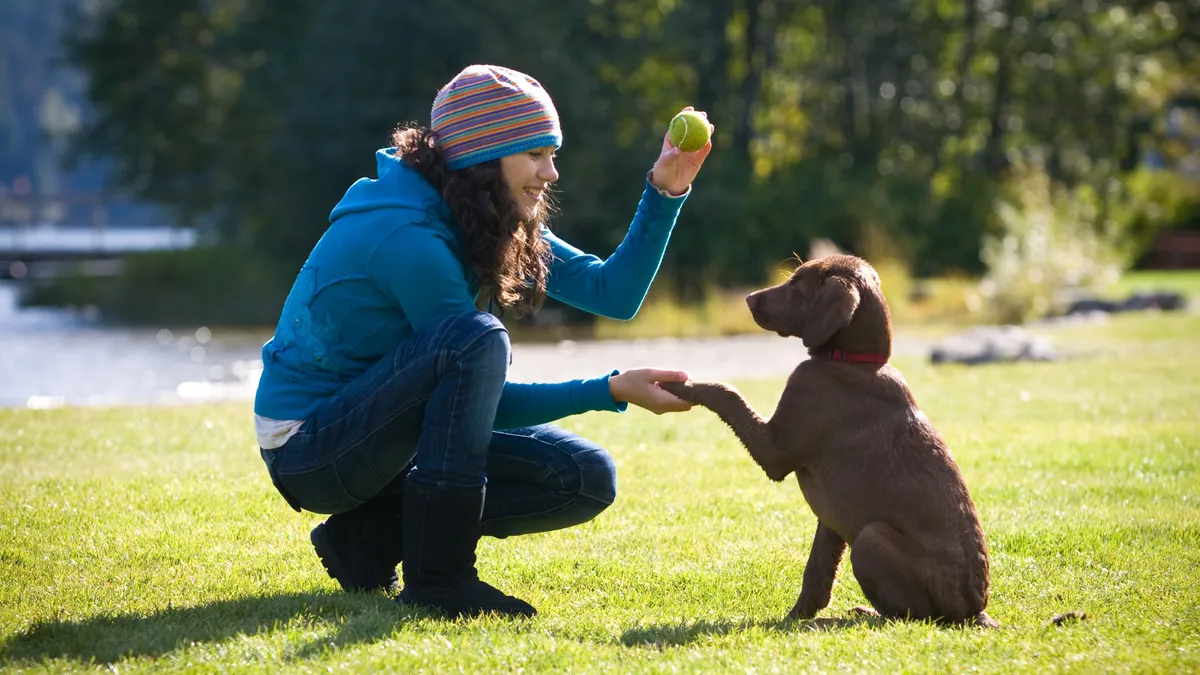
Bringing home a puppy is exciting, but those early weeks also shape many habits that can continue into adulthood. Effective puppy training is not simply about teaching commands. It helps young dogs understand household expectations, develop reliable behaviors, and learn how to respond calmly to new situations.
With consistency, patience, and age-appropriate techniques, owners can establish a strong foundation for a confident and well-mannered companion. For personalized guidance, Rob’s Dog Training can help owners build practical skills and encourage reliable behavior from the start.
Why Puppy Training Should Start Early
Puppies are constantly learning from their surroundings. Every interaction, routine, reward, and correction can influence what they come to consider normal behavior.
Early training gives owners an opportunity to teach desirable habits before unwanted behaviors become established. Simple lessons such as responding to their name, coming when called, waiting politely, and settling down can make everyday life much easier.
Training also provides mental stimulation. Puppies have developing brains and plenty of curiosity, so short training sessions give them appropriate ways to think, interact, and learn.
The goal is not to expect perfect behavior immediately. Instead, puppy training should gradually build communication between the dog and owner.
Start With Basic Puppy Training Commands
Basic obedience commands give puppies useful information about what their owners expect. They can also become building blocks for more advanced training later.
Start with simple behaviors such as:
- Name recognition: Teach your puppy to look toward you when you say its name.
- Sit: Use this as an easy way to encourage calm behavior before meals, play, or greetings.
- Come: Practice recall in safe, controlled environments before expecting your puppy to respond outdoors.
- Stay: Introduce brief periods of remaining in one place before gradually increasing distance and duration.
- Leave it: Teach your puppy to disengage from objects that may be inappropriate or unsafe.
- Drop it: Help your puppy release toys or other objects when asked.
Keep sessions short and engaging. Several brief practices throughout the day are often more useful for a young puppy than one long session.
Make House Training Part of the Routine
House training is one of the first major challenges for new puppy owners. Success depends heavily on consistency and supervision.
Young puppies have limited bladder control, so they need frequent opportunities to eliminate in the appropriate location. Take your puppy outside after waking, eating, drinking, playing, and sleeping. Regular timing helps create predictable habits.
Watch for signs that your puppy needs to go. Sniffing, circling, wandering away, or suddenly becoming restless may indicate that it is time for a bathroom break.
When your puppy eliminates in the correct place, provide immediate positive feedback. Timing matters because the puppy needs to connect the reward with the behavior.
Accidents will happen. Punishing a puppy after the fact is unlikely to teach the desired lesson because the dog may not understand why the reaction is occurring. Instead, focus on supervision, routine, and rewarding successful behavior.
Puppy Socialization Builds Confidence
Socialization is another important part of responsible puppy training. A puppy needs opportunities to experience different people, environments, surfaces, sounds, and everyday situations in ways that remain safe and manageable.
Socialization does not mean forcing a puppy to interact with everyone or everything. The objective is to help the puppy become comfortable with unfamiliar experiences while allowing it to process them at its own pace.
Consider gradually introducing your puppy to:
- Different household sounds
- People of different ages and appearances
- Car rides
- New walking environments
- Various floor and outdoor surfaces
- Grooming and handling
- Friendly, appropriate dogs
- Common household objects
Positive experiences can help puppies develop appropriate responses to novelty. Owners should also consider veterinary guidance regarding vaccination and health precautions when deciding where and when to introduce a young puppy to unfamiliar dogs or public areas.
Teach Puppies How to Handle Impulse Control
Puppies naturally want to investigate, grab, jump, chase, and react to exciting things. Learning to pause before acting is an important part of obedience training.
Impulse control can be incorporated into everyday activities instead of being treated as a separate lesson.
For example, ask your puppy to sit briefly before putting down a food bowl. Wait for calm behavior before opening a door. During play, pause occasionally and reward your puppy for settling before continuing.
These small exercises teach an important concept: calm behavior can lead to good things.
Impulse control is especially useful for puppies that jump on visitors, rush through doors, grab objects, or become overly excited during play.
Manage Puppy Biting and Chewing
Puppy biting is common, particularly during play and teething. However, allowing a puppy to repeatedly bite hands, clothing, or household objects can create habits that become difficult to manage as the dog grows.
Provide appropriate chew toys and redirect your puppy when it attempts to chew something inappropriate. If play becomes too intense, briefly pause the interaction and resume once the puppy settles.
Chewing also provides mental and physical engagement. Make appropriate toys accessible while limiting access to items that could be dangerous if swallowed.
Puppy-proofing the home is equally important. Secure electrical cords, medications, cleaning products, small objects, and anything else a curious puppy might investigate.
Leash Training Should Be Gradual
A leash can feel strange to a puppy at first. Instead of immediately expecting perfect walking behavior, introduce the equipment gradually.
Allow your puppy to become comfortable wearing a properly fitted collar or harness indoors. Then introduce the leash in a familiar, low-distraction environment.
Reward your puppy for walking toward you, checking in, or remaining near you. If the puppy pulls toward something interesting, avoid turning the walk into a constant tug-of-war. Create distance from the distraction and redirect attention before continuing.
As your puppy becomes more comfortable, gradually practice in environments with additional distractions.
Use Positive Reinforcement Consistently
Positive reinforcement is a practical foundation for puppy obedience training. When a puppy performs a desirable behavior, a timely reward helps communicate that the behavior was worth repeating.
Rewards may include small treats, praise, toys, play, or access to something the puppy enjoys.
Timing and consistency are critical. If a reward arrives several seconds after the behavior, the puppy may connect it with something else.
Everyone in the household should also follow the same basic expectations. If one person allows jumping on the sofa while another consistently discourages it, the puppy receives mixed information.
Clear rules make learning easier.
Avoid Overloading a Young Puppy
Puppies have limited attention spans. Trying to teach too much at once can create frustration for both the dog and owner.
Choose one behavior, practice it in short sessions, and gradually increase difficulty. Once the puppy understands a behavior in a quiet environment, practice it in different rooms and eventually around appropriate distractions.
This process is important because dogs do not automatically understand that a behavior learned in one location applies everywhere.
For example, a puppy that reliably responds to “come” in the living room may struggle when called at a park. Training should gradually bridge that gap.
Know When Professional Puppy Training Can Help
Some owners benefit from professional guidance, particularly when a puppy is highly energetic, struggles with focus, or develops behaviors that are difficult to manage.
A qualified trainer can help identify why a behavior is occurring and provide practical exercises that fit the dog’s age, temperament, environment, and learning history.
Professional support can also help owners improve their own timing and communication. Training is not only about changing what the puppy does. It is about teaching people how to respond consistently and clearly.
When selecting a trainer, consider their experience, training philosophy, ability to explain techniques, and willingness to adapt their approach to the individual dog.
Build Good Habits Beyond Puppyhood
The best puppy training does not end when a dog learns a handful of commands. Young dogs continue developing as they mature, and their training should progress with them.
Continue practicing known behaviors while gradually introducing new challenges. Reinforce calm greetings, appropriate leash manners, reliable recall, polite behavior around distractions, and the ability to settle at home.
Most importantly, keep training practical. The skills that matter most are the ones that help your dog succeed during real-life situations.
Final Thoughts on Puppy Training
Successful puppy training is built through patience, repetition, consistency, and clear communication. Early obedience work, socialization, house training, impulse control, leash practice, and appropriate chewing habits can give puppies a strong behavioral foundation.
Every puppy learns at a different pace. Rather than focusing on perfection, concentrate on steady progress and rewarding the behaviors you want to see more often.
For owners who want personalized guidance, Rob’s Dog Training provides professional dog training support designed to help owners build better communication and more reliable behavior with their dogs.